

8 Free Seamless Wood & Bark Textures for Realistic 3D Renders (CC0)
Wood is deceptively hard to fake in 3D. Get the grain direction, pore density, or bark irregularity even slightly wrong and a render tips over from "timber" into "plastic log." Below are eight free, seamless, CC0-licensed wood and bark textures — from raw tree bark to finished plank flooring — each shipped with a full PBR map set (diffuse, normal, specular, AO, and displacement) so they hold up under a close camera in Blender, Unreal Engine, Unity, or any other PBR-capable renderer.
No attribution required, free for commercial use. Jump to any texture below, or browse the full wood texture category.
Quick jump
- Wood Fine — tight, even grain for furniture & cabinetry
- Wood Plank — straight-laid flooring
- Wood Plank 1 — warmer flooring variant
- Wood Plank 2 — dark stained flooring
- Bark 1 — deep-fissured trunk bark
- Bark 2 — flat, weathered bark
- Bark 3 — light, dry bark for variation
- Bamboo Floor — narrow bamboo strip flooring
1. Wood Fine

A tight, even grain with almost no knots. This is the texture to reach for when wood needs to look milled and cared for rather than reclaimed — think cabinetry, furniture fronts, or trim work in an interior scene.
2. Wood Plank
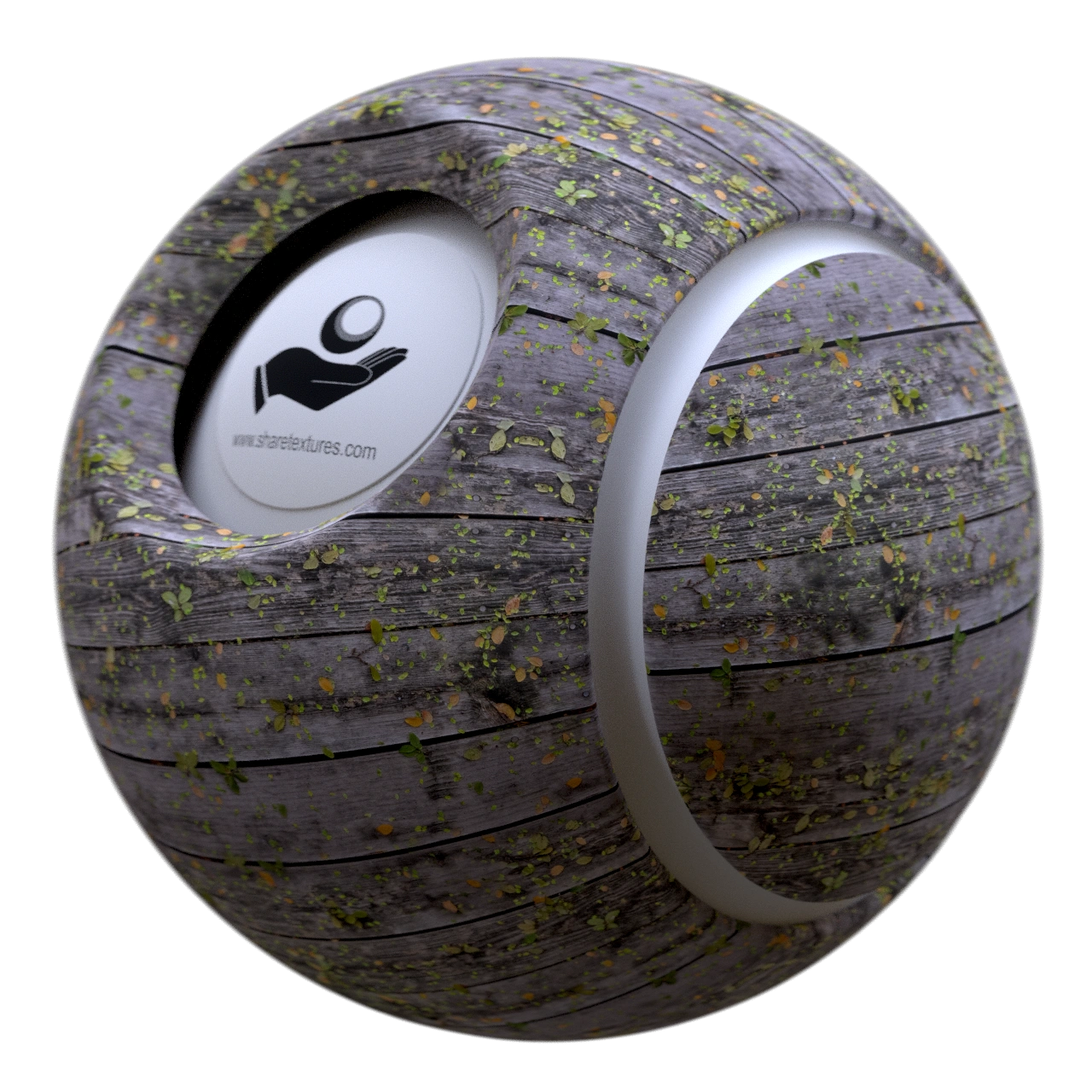
Straight-laid plank flooring with visible board seams and subtle wear. Tiles cleanly across large floor areas without an obvious repeat, making it a solid default for architectural visualization interiors viewed from eye level.
3. Wood Plank 1

A warmer, slightly redder plank set than the base version above. Useful when a scene needs two flooring materials — a hallway-to-room transition, for example — without them reading as an obvious copy of each other.
4. Wood Plank 2

A darker-stained take on the same plank pattern, closer to walnut or stained oak. Pairs well as a contrast material against lighter walls or bright upholstery.
5. Bark 1

Deep vertical grooves and strong displacement make this one hold up even in close hero shots of tree trunks, fence posts, or rustic props — where flatter bark textures tend to fall apart under scrutiny.
6. Bark 2

Subtler relief than Bark 1, which makes it better suited to background trees or forest environments, where tiling heavy displacement across dozens of trunks would tank performance for no visual gain.
7. Bark 3
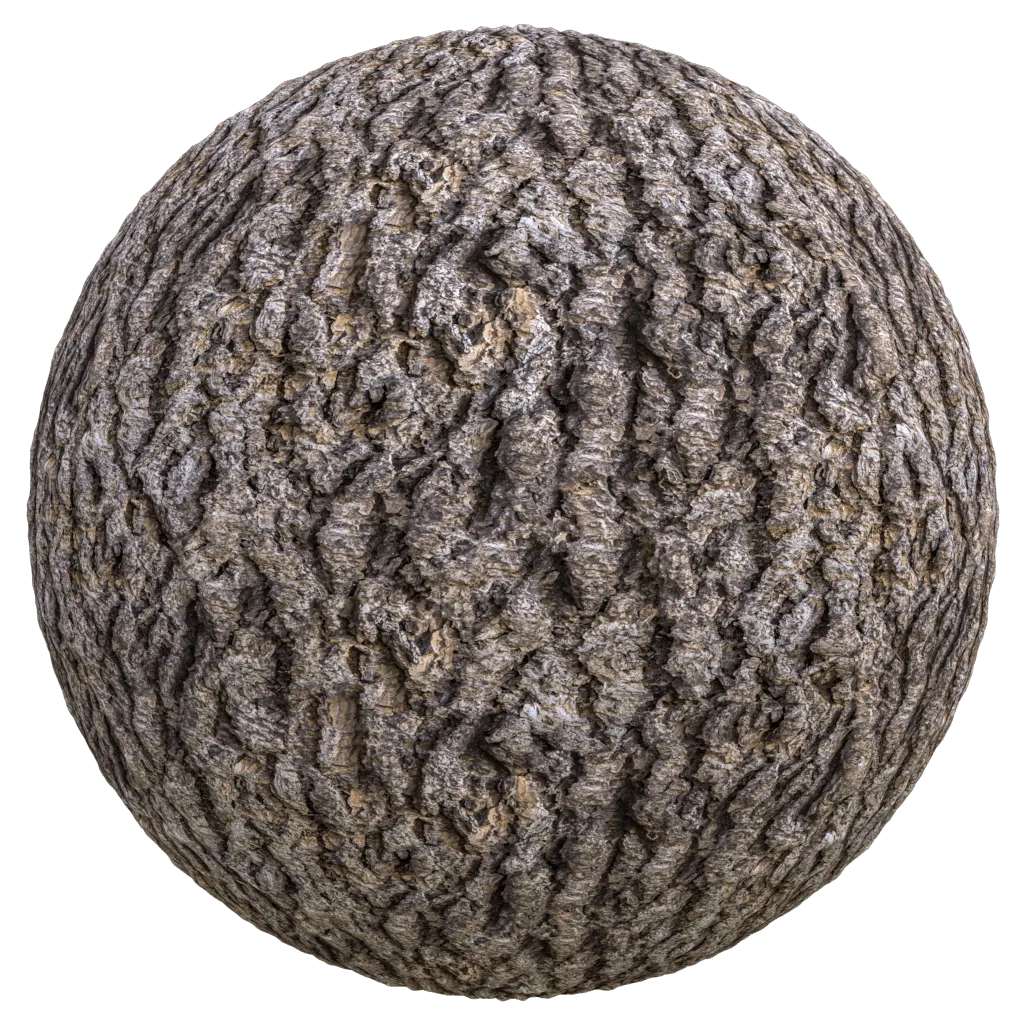
Closer to pine than oak, with a lighter and dryer tone. Good for scattering visual variation across a wooded scene alongside Bark 1 and Bark 2, so no two trunks in the environment look identical.
8. Bamboo Floor

Narrow, uniform bamboo strips with a tight repeating joint pattern — distinct enough from standard oak plank to read correctly as bamboo rather than generic "wood floor" in a close render.
Which one should you use?
| Texture | Best for | Detail level |
|---|---|---|
| Wood Fine | Furniture, cabinetry | Subtle |
| Wood Plank / 1 / 2 | Flooring, archviz interiors | Medium |
| Bark 1 / 2 / 3 | Trees, nature scenes, props | High (Bark 1) to subtle (Bark 2) |
| Bamboo Floor | Flooring needing a distinct look | Medium |
FAQ
Are these textures really free for commercial use?
Yes. Every texture on ShareTextures is released under CC0, meaning no attribution is required and they can be used in commercial projects, games, or client work without restriction.
What map types are included with each texture?
Each texture in this roundup includes diffuse (base color), normal, specular, ambient occlusion (AO), and displacement maps — everything needed for a standard PBR material setup in Blender, Unreal Engine, or Unity.
How do I avoid an obvious tiling pattern with these textures?
Mix two or more variants of the same material (e.g. the three plank textures above), randomize UV rotation and offset per surface instance, and break up large flat areas with a secondary detail texture or decal where the camera gets close.
Get the full library
These eight are a starting point — the complete wood texture category has more grain types, plank layouts, and weathered variants. Patrons get early access to new releases and exclusive material sets.