
New Photometric Stereo Wood Scans Are Coming Soon to ShareTextures
6 months ago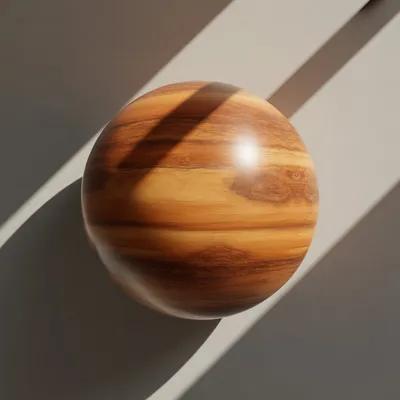
Creating believable wood materials has always been one of the most difficult parts of building realistic environments. Whether you are designing an old cabin interior, a polished hardwood floor, or weathered timber for an outdoor scene, the quality of the texture directly affects the final result.
At ShareTextures, we have recently completed dozens of new wood scans using photometric stereo technology. These materials will soon be available on the website and are designed to give 3D artists, game developers, and visualization studios access to highly detailed and realistic wood surfaces.
What Is Photometric Stereo?
Photometric stereo is a scanning method that captures the surface detail of an object by photographing it under multiple lighting directions. Unlike standard photography, which mainly records color information, photometric stereo allows us to recover extremely fine surface variations such as cracks, fibers, scratches, dents, pores, and grain direction.
This method is especially useful for wood because wood surfaces often contain subtle height changes that are difficult to capture with traditional scanning methods. Fine grain details, aged imperfections, and saw marks can easily disappear when using only normal photography.
By combining multiple light angles and carefully processing the data, photometric stereo can generate highly accurate normal maps, height maps, roughness maps, and albedo textures.
If you want to learn more about the scanning process behind our assets, you can also explore the existing photogrammetry resources on ShareTextures such as PBR texture library, wood textures, and scanned materials.
Why Wood Textures Need More Detail
Wood is one of the most commonly used materials in games, architecture, and product visualization. However, it is also one of the easiest materials to spot when it looks fake.
Many wood textures available online have repeated patterns, flat-looking normals, or artificial grain details. These issues become even more obvious when the material is used across large surfaces such as floors, walls, fences, beams, or furniture.
With photometric stereo, we can preserve the tiny variations that make real wood look natural:
- Deep grain direction
- Small cracks and dents
- Weathering marks
- Saw blade patterns
- Natural fiber separation
- Surface roughness differences
- Subtle edge wear
These details help the texture respond more realistically to light inside engines like Unreal Engine and Unity.
For physically based rendering workflows, accurate surface information is just as important as the color map itself. A realistic normal map can completely change how believable a material feels in a real-time scene.
Different Types of Wood Scans
The upcoming collection will include a wide variety of scanned wood materials. We focused on capturing different ages, finishes, and usage conditions to make the library more flexible.
Some examples include:
- Raw cut timber
- Old weathered planks
- Painted wood surfaces
- Varnished hardwood
- Cracked barn wood
- Rough construction lumber
- Fine furniture wood
- Reclaimed wooden boards
- Floor parquet details
- Exterior decking wood
This variety allows artists to use the materials across many different projects, from fantasy villages and historical environments to modern architecture and product rendering.
Built for Game Engines and 3D Workflows
All upcoming wood scans are prepared for common PBR workflows and can be used in most major 3D software packages.
They are especially suitable for:
- Unreal Engine environments
- Unity scenes
- Blender renders
- Architectural visualization
- Product rendering
- VFX projects
- Mobile game assets
- High-end cinematic environments
The textures will include multiple map types and high-resolution outputs, making them flexible for both close-up shots and larger environment use.
For artists working with detailed props or hero assets, these scans can save a large amount of time compared to manually creating wood detail from scratch.
Why We Use Photometric Stereo at ShareTextures
At ShareTextures, our goal is not only to provide free textures but also to improve the overall quality of scanned materials available to the 3D community.
Photometric stereo helps us push beyond flat color capture and create materials with stronger depth and realism. Since many modern render engines rely heavily on accurate normal and roughness information, this method gives artists better results without requiring additional sculpting or manual detailing.
For anyone interested in the technical side of the process, photometric stereo is widely used in industries such as cultural heritage preservation, industrial inspection, and material digitization.
You can learn more about the method from external sources like Wikipedia’s photometric stereo article.
Final Thoughts
The new wood scan collection is one of the largest material updates we have prepared in recent months. By using photometric stereo, we were able to capture far more detail than traditional scanning methods and create materials that feel more realistic under dynamic lighting.
If you regularly build environments, create props, or develop realistic scenes, these upcoming materials should give you more flexibility and higher-quality results.
Stay tuned for the release on ShareTextures.
FAQ
What makes photometric stereo different from standard texture photography?
Photometric stereo uses multiple lighting directions to capture surface depth and micro details, while standard photography mainly records color information.
Will the new wood textures be free to use?
Most textures released on ShareTextures are available for free, with additional higher-resolution options often available for supporters.
Can these wood scans be used in Unreal Engine and Unity?
Yes. The materials are created for PBR workflows and can be used directly in Unreal Engine, Unity, Blender, and many other 3D applications.